Nigeria hit with US travel ban: Green Cards under threat?

The United States has added Nigeria to its travel restriction list, and the implications are immediate for thousands planning trips, family visits, and business travel to America.
December 16, 2025. That’s the date that changed everything for Nigerian travellers looking toward the United States.
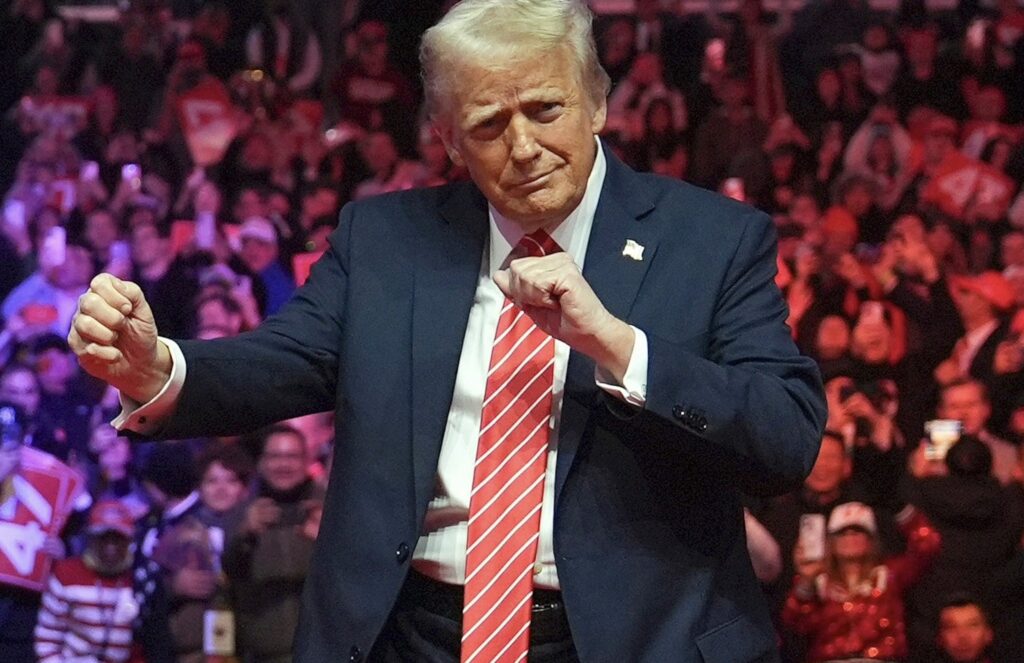
Wakawaka Doctor reports that President Trump signed a proclamation that morning, expanding entry restrictions on foreign nationals under the banner of “strengthening national security.”
Buried in that list of affected countries was Nigeria, along with twelve other African nations, now facing partial travel restrictions that will ripple through thousands of lives.
This isn’t some abstract policy shift happening in a vacuum. This is your cousin, who has just been admitted to UCLA, scrambling to understand if his student visa application is still valid.
This is the businesswoman who’s built transatlantic partnerships, now wondering if her next trip to New York will even happen. This is families separated by an ocean, suddenly facing even more barriers to reunion.
And here’s the thing nobody’s saying out loud: this is just the beginning of a very complicated mess.
What Actually Happened
Let’s cut through the diplomatic language and political posturing. The proclamation adds Nigeria to a list of countries with “partial restrictions, which sounds almost reasonable until you realise what that actually means for real people trying to live their lives.
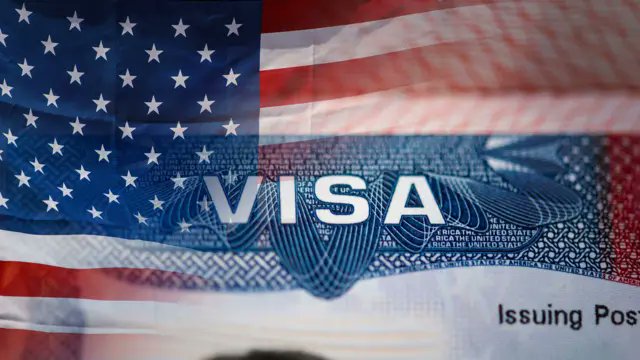
The restrictions target specific visa categories:
- B-1/B-2 visas (tourist and business travel)
- F and M visas (students)
- J visas (exchange visitors)
Notice what’s on that list? Pretty much every pathway ordinary Nigerians use to enter the United States. Not diplomats. Not athletes competing internationally. Regular people pursue education, business opportunities, and family connections.
The U.S. government’s reasoning centres on security concerns, specifically citing groups like Boko Haram and the Islamic State, difficulties with vetting processes in regions with insufficient government control, and overstay rates that have apparently raised red flags.
Those overstay numbers? Here’s what triggered the alarm bells:
- B-1/B-2 visa holders: 5.56% overstay rate
- F, M, J visa holders: 11.90% overstay rate
For context, this means that roughly one in twenty tourist/business travellers, and more than one in ten students or exchange visitors, overstayed their authorised period. Whether those numbers justify restrictions affecting millions of compliant travellers is another question entirely.

The Bigger Picture Nobody Wants to Mention
Nigeria isn’t alone in this. The proclamation swept African and Caribbean countries, 15 in total: Angola, Antigua and Barbuda, Benin, Côte d’Ivoire, Dominica, Gabon, The Gambia, Malawi, Mauritania, Senegal, Tanzania, Zambia, and Zimbabwe.
Notice a pattern? Most are African nations. Not a single country from Europe, Asia, or South America made this particular list despite comparable or higher overstay rates in some cases.
The optics are terrible, and Nigerians watching this unfold aren’t naive about what it signals. This isn’t just about security screening; it’s about which countries get the benefit of the doubt and which ones face blanket suspicion.
Who Gets a Pass (For Now)
Before panic sets in completely, here’s who the restrictions don’t affect:
Lawful permanent residents (green card holders) can breathe—you’re exempted.
Existing visa holders aren’t immediately impacted. If you’ve already got that visa in your passport, it remains valid for now.
Specific categories, including diplomats, athletes competing internationally, and cases deemed to be in the U.S. national interest, get exemptions.
The key phrase there is “for now.” Immigration policy shifts rapidly, and today’s exemption could become tomorrow’s restriction with another stroke of a presidential pen.
What This Actually Means on the Ground
Let’s talk about what happens next week when someone from Lagos tries to apply for a U.S. visa.
Increased scrutiny becomes the new baseline. Every application will face deeper examination, longer processing times, and heightened suspicion about intent to return to Nigeria.
Documentation requirements will intensify. That informal job offer letter? Not good enough anymore. That casual bank statement? Better have six months of consistent financial history. Every claim in your application will need bulletproof evidence.
Processing delays will stretch from weeks to months. The U.S. embassy in Lagos was already processing thousands of applications with limited staff. Now add layers of additional security checks, and you’re looking at massive backlogs.
Family-based immigration faces new hurdles, with the proclamation specifically citing “fraud risk concerns” that will narrow exceptions and make reuniting with family members in the U.S. even more difficult.
The Student Visa Nightmare
If you’re a Nigerian student who just got accepted to a U.S. university, this is your worst-case scenario materialising in real time.
That F-1 visa you were counting on? Now subject to restrictions that could delay or deny your application despite meeting every requirement. Universities across America have Nigerian students who contribute academically and financially to their institutions, but those students now face uncertainty about whether they can actually attend.
The 11.90% overstay rate for student visas is being used to justify restrictions affecting the 88.10% who followed the rules, returned home, and contributed to stronger U.S.-Nigeria relations through education and cultural exchange.
One bad actor creates statistics. Statistics create policy. Policy punishes everyone.
The Business Fallout
Nigerian entrepreneurs and professionals with U.S. business connections are facing disruption that goes beyond inconvenience.
That conference in Houston you were planning to attend? Better start looking at European alternatives. Is the client meeting in Chicago that could close a deal? Hope you can manage it via Zoom, because getting a B-1 visa just became exponentially harder.
This isn’t just about individual travel plans—it’s about economic relationships that took years to build, now facing friction that could cool partnerships and redirect Nigerian business interests toward countries with more welcoming policies.
China, the UAE, and European nations are watching this unfold and adjusting their own outreach accordingly. When America closes doors, other countries open theirs.
The Questions Nobody Can Answer Yet
Is this temporary or permanent? The proclamation doesn’t specify an end date. Immigration restrictions have a tendency to become entrenched, outlasting the specific circumstances that triggered them.
Will restrictions expand? Today, it’s B-1/B-2, F, M, and J visas. Tomorrow, it could include H-1B work visas, immigrant visas, or other categories currently exempted.
What about people in mid-process? If you’ve already submitted a visa application and paid your fees, what happens now? Embassies are scrambling to provide guidance, but clear answers remain elusive.
Can this be challenged? Nigeria’s government will undoubtedly lodge diplomatic protests, but overturning U.S. immigration policy through diplomatic channels is a slow, uncertain process with no guaranteed outcome.
What You Should Actually Do
If you’re affected by these restrictions, here’s practical guidance while everyone waits for clearer direction:
Don’t panic, but don’t ignore it. These restrictions are real and will impact visa processing, but they’re not a complete travel ban. Exemptions exist, and pathways forward, however narrowed, remain possible.
Strengthen your application. Whatever documentation you were planning to submit, double it. Triple it. Provide overwhelming evidence of ties to Nigeria, financial stability, and intention to return. Make it impossible for anyone reviewing your case to find legitimate grounds for denial.
Consider alternative destinations. If your goal is quality education or business opportunities, look beyond the United States. Canada, the UK, and European countries offer excellent programs without the current political complications.

Monitor official sources. U.S. Citizenship and Immigration Services (USCIS) and the U.S. embassy in Nigeria will provide updated guidance as procedures evolve. Don’t rely on WhatsApp rumours or social media speculation.
Consult immigration attorneys. If you have significant ties to the U.S., family, business, or education, professional legal guidance becomes essential for navigating these new restrictions.
The Uncomfortable Truth
Here’s what won’t appear in official statements: these restrictions reflect deteriorating diplomatic relationships and shifting American priorities that view African nations through an increasingly sceptical lens.
The security concerns cited aren’t fabricated—Boko Haram and regional instability are real issues. But they’re issues that affect specific regions, not the entire nation of 200+ million people. Applying blanket restrictions punishes Nigerians from Lagos, Abuja, and Port Harcourt who have zero connection to terrorism or security threats.
The overstay statistics get weaponised to justify policy, but they ignore success stories, the thousands of Nigerian students who returned home with American degrees and built careers strengthening both nations. The professionals who travelled for business followed every rule and went home on time.
Numbers become policy. Policy becomes barriers. Barriers become the new normal.

What Happens Next
Short term: chaos. Visa applicants will face delays, denials, and uncertainty while embassies scramble to implement new procedures. Travel plans will collapse. Educational dreams will hit roadblocks. Business deals will evaporate.
Medium term: adaptation. Nigerians are nothing if not resilient. Alternative pathways will emerge, other countries, different visa categories, and creative solutions to seemingly impossible barriers.
Long term: unclear. This could be temporary political theatre that fades with the next administration. Or it could be the opening chapter of a broader retreat from international engagement that redefines U.S.-Nigeria relations for a generation.
The Bottom Line
December 16, 2025, won’t be remembered fondly by Nigerians with American connections. The travel restrictions signed that day represent more than policy; they represent broken promises about merit-based immigration, disrupted lives, and diplomatic relationships hitting new lows.
If you’re affected by these restrictions, you have every right to be angry, frustrated, and disappointed. But don’t let anger become paralysis. These barriers are real, but they’re not insurmountable.
The path to the United States just got significantly harder for Nigerians. That doesn’t mean it disappeared entirely. It means you’ll need better preparation, stronger documentation, more patience, and realistic expectations about outcomes.
And maybe, just maybe, it means seriously considering whether the United States is still the best destination for your goals, or whether other countries like the European sleeping giant Croatia are ready to welcome the talent, energy, and contributions that America is increasingly turning away.
The world is bigger than one country’s visa policy. The restrictions are real. Your options aren’t gone, they’ve just shifted.