
St. Patrick’s Day 2026: 5 things you probably didn’t know

St. Patrick’s Day 2026: Five wild facts about the world’s greenest holiday that will surprise you.
Every March 17, the world turns green. Parades shut down city streets, rivers get dyed emerald, and millions raise a glass in the name of an Irish saint.
But how much do you actually know about the holiday you’re celebrating? From stolen identities to political rebellions, the real story of St. Patrick’s Day is far more fascinating than the festivities suggest.
St. Patrick’s Day 2026
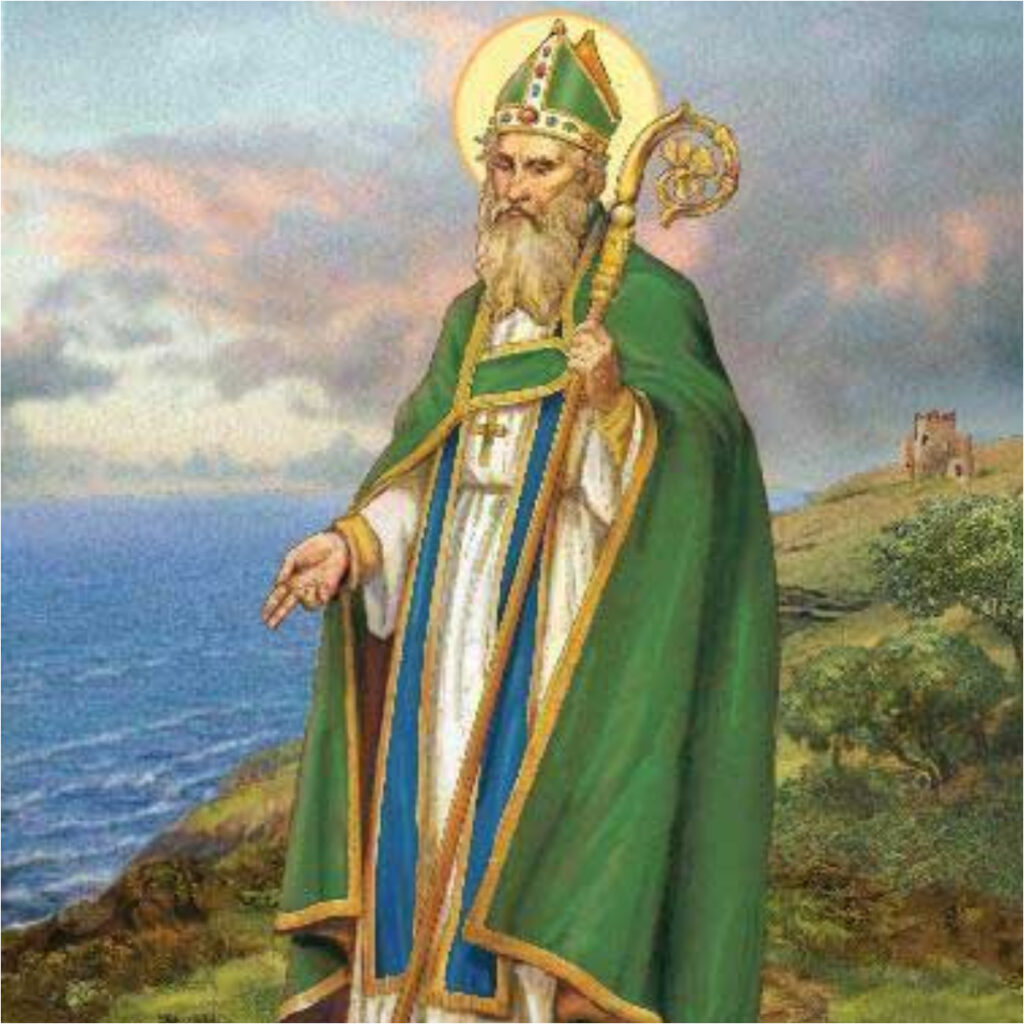
1. St. Patrick wasn’t actually Irish
The man behind the holiday was born in Roman Britain in the late 4th century. At just 16, he was kidnapped by raiders and enslaved in Ireland for six years as a shepherd.
After escaping, he returned as a missionary and spent the rest of his life converting the country to Christianity. Ireland claimed him, but he just wasn’t born there.
2. The first parade happened in America, not Ireland
New York City hosted the first St. Patrick’s Day parade in 1762, decades before Dublin made it a public celebration.
Today, the New York parade on Fifth Avenue is the largest in the world, featuring over 150,000 marchers annually.

3. The original colour was blue, not green
For centuries, St. Patrick’s Day was associated with a particular shade of blue. Green only took over during the 1798 Irish Rebellion, when it became a symbol of Irish nationalism. It stuck, and the rest is history.
4. Corned beef and cabbage is an American invention
The dish most associated with St. Patrick’s Day is not actually Irish. It is an Irish-American creation born out of immigration and adaptation.

Back in Ireland, the traditional meal is more likely to be bacon and cabbage or a hearty Irish stew.
5. There were never any snakes in Ireland
One of the most famous legends about St. Patrick is that he drove all the snakes out of Ireland.
Scientists, however, point out that Ireland almost certainly never had snakes after the Ice Age. The “snakes” are widely understood as a metaphor for the pagan druid traditions he replaced with Christianity.
The Bottom Line
St. Patrick’s Day has travelled far from its origins, geographically, culturally, and historically.
What started as a religious feast day for a kidnapped British missionary has become one of the most universally celebrated holidays on the planet.
And now you know why the shamrock, the green, and the parade all tell a much bigger story than they let on.




Good one
Thank you, Jahson.